Geopolitical tensions, cyber threats key risks to Indian banks, economy: RBI
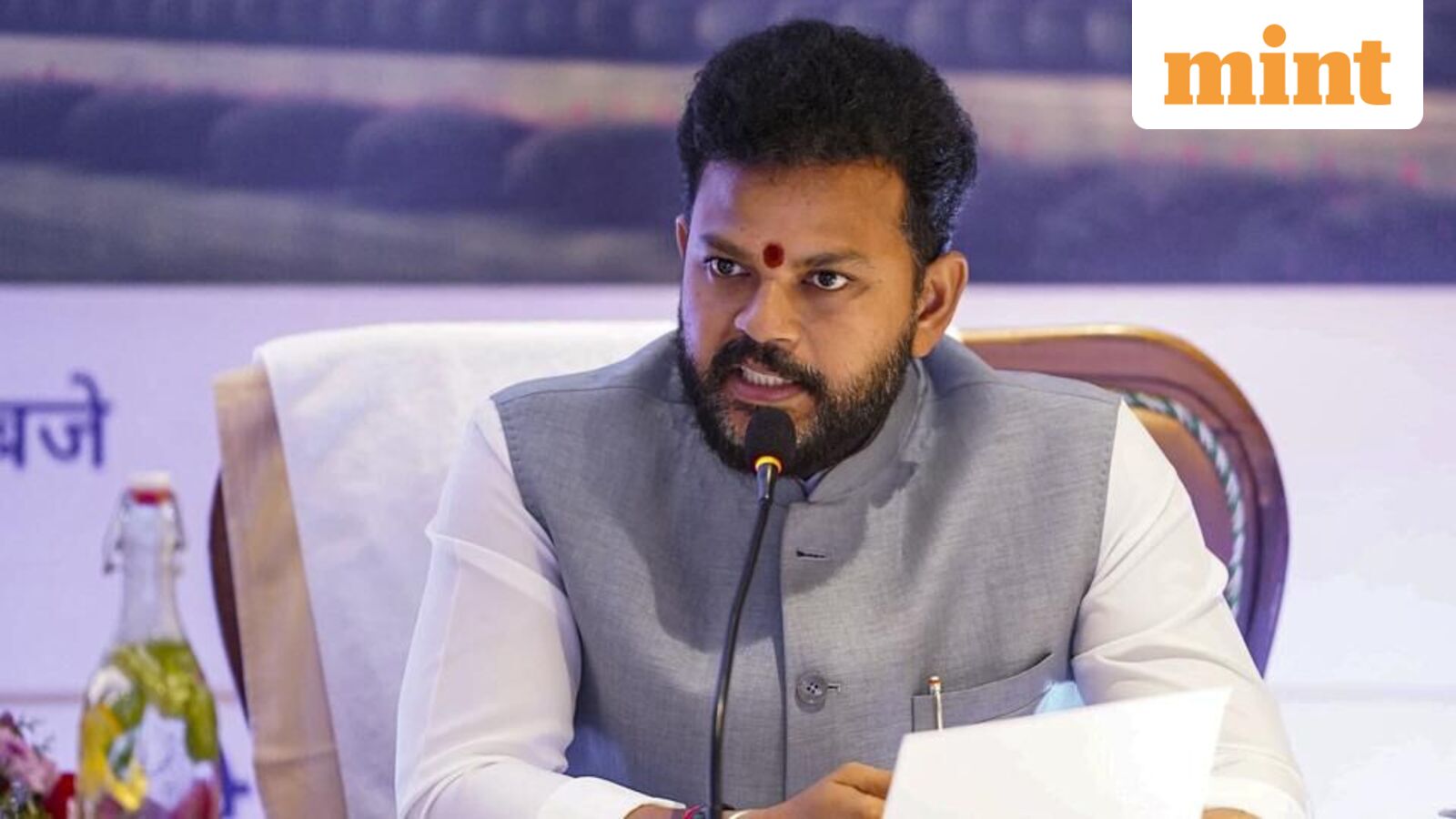
Growing geopolitical and trade-related uncertainties, along with cyber threats, are the two key risks facing the Indian economy and banking sector, Reserve Bank of India (RBI) Governor Sanjay Malhotra said.
“What we’re facing, and it’s not only the West Asia crisis, but a lot of other uncertainties including trade related, trade tariff related uncertainties. This is one, and the other is cyber risk,” Malhotra said at the FIBAC 2026 annual banking conference in Mumbai on Tuesday.
He said the interconnectedness of the financial system had made these risks particularly prominent, but stressed that the Indian banking sector has the capacity to counter them. He cited the Russia-Ukraine war and the Covid-19 pandemic to emphasise that India has repeatedly emerged stronger from major shocks.
The government’s measures to diversify energy and other critical supply chains, reduce energy intensity, expand ethanol blending and electric mobility, and deepen trade through free trade agreements would strengthen the economy’s resilience.
He also highlighted artificial intelligence (AI) as a major opportunity for banks, while advocating greater caution around its use. He urged banks to treat AI adoption as a strategic, board-driven exercise rather than a collection of separate technology projects.
“It will require a deliberate, board-driven strategy, backed by sustained investment, and most importantly, a strong intent, rather than a series of disconnected projects,” Malhotra said.
At the same time, he flagged seven broad risks from AI, including the “black box problem” or lack of transparency in models, bias and exclusion, concentration and herding, third-party risks, data privacy and security, cyber and adversarial vulnerabilities, and erosion of human judgment and accountability.
“The ultimate responsibility has to lie with the bank, and not with the vendor or with the algorithm,” he said. “We cannot say that it is the model who decided it, that can never be an acceptable answer, whether to the bank, to the customer, or to the regulator.”
He urged banks to maintain a complete inventory of AI models, establish board-approved AI governance policies, ensure they can explain AI-driven decisions affecting customers, and regularly test AI systems while retaining meaningful human oversight.
Despite the risks, Malhotra said the RBI viewed AI as a capability that should be responsibly harnessed rather than simply contained.
“First, it changes the economics of credit delivery fundamentally,” he said, pointing to AI’s ability to use alternative data such as cash flows, GST filings, utility payments and digital platforms to expand access to credit for borrowers with limited traditional financial histories.
He also said AI could improve customer service, operational efficiency and financial inclusion, including through voice interfaces in Indian languages. On fraud, he said, it is only AI and machine learning models, which continuously learn from transaction patterns, that can identify anomalies in real time rather than after the loss.
Malhotra said innovation and safety should be treated as complementary rather than opposing objectives, with the RBI favouring a principles-based and proportionate regulatory approach as banks navigate the rapidly evolving technology.
On 5 August, Mint reported that the RBI is brainstorming whether it should bring in comprehensive guidelines on use of AI; and if yes, what all should the norms cover.
The discussions come as use of AI by banks and non-banks stretch beyond the ambit of RBI’s current narrow, issue-specific norms.
According to a person aware of the discussions, the proposed guidelines will see most departments within RBI working in sync with the department of regulation. The idea is to have in one place everything that entities regulated by RBI need to follow on the use of AI in business, the person said.
“The RBI has released a draft framework for model risk management in June, but the current discussions are on whether the sector needs more norms around use of AI,” said the person cited above, requesting anonymity.
In the June draft circular, the RBI said banks and non-banks are increasingly using models to transform their business processes and improve customer services, among others. It said this reliance has grown rapidly over the past few years and warned that such usage of AI models usually comes with additional risks.
Models here refers to systems—internal or from third-parties—that use data to analyze, interpret relationships and produce results that are used for making decisions.
The RBI said regulated entities should establish robust human oversight for AI models and override suspension or deactivation mechanisms, including kill-switch arrangements.