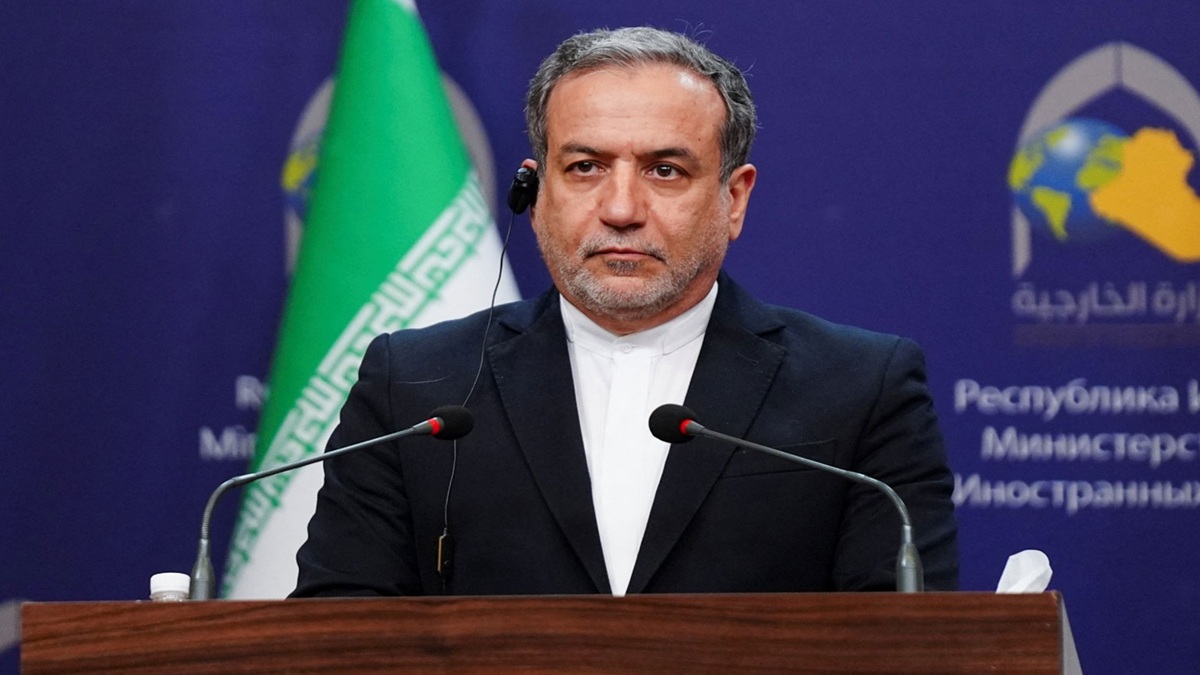
Former IRGC chief Mohsen Rezaee appointed head of Iran’s top national security body: Why does it matter?
Former Islamic Revolutionary Guard Corps (IRGC) chief Mohsen Rezaee has been appointed by Supreme Leader Mojtaba Khamenei as his representative to Iran’s Supreme National Security Council (SNSC), a decree published on Sunday said. He will replace Mohammad Baqir Zolghadr, who took up leadership of the council in March.
Seyyed Mohammad Mehdi Tabatabaei, Deputy of Communications and Information of the Office of the President, made the announcement on X (formerly Twitter).
“In light of the resignation of Mohammad Bagher Zolghadr from his position as secretary of the Supreme National Security Council and his appointment to new functions, President Masoud Pezeshkian has named Mohsen Rezaei as the head of this body,” he said.
Shortly after Rezaee’s appointment, 56-year-old Khamenei hailed the former IRGC chief and said that his experience will be valuable for him. He also appreciated Zolghadr for his “round-the-clock efforts”, calling him a “dear brother”.
“Dr. Mohsen Rezaee, Considering your valuable experience, I am hereby appointing you, who were one of the first commanders in the triumphant 8-Year Sacred Defense, to be my representative in the Supreme National Security Council,” Khamenei said on X.
Who is Mohsen Rezaee and why his appointment matters?
71-year-old Rezaee led the IRGC from 1981 to 1997, tenure that included almost all of the Iran-Iraq war. Later, he was appointed to several high-ranking political posts.
Rezaee, who also served as military adviser to Khamenei earlier, had said in July that control of the Strait of Hormuz, was “more important than dozens of atomic bombs”. Further, he also declared that Iran would never allow an unauthorised control of Hormuz through which nearly 20 per cent of the global crude transits.
Thus, Rezaee’s appointment becomes important.
On Hormuz, Iran’s stance is clear: the critical waterway will remain under its control. However, the US has maintained that Hormuz must remain open to all vessels and Iran shouldn’t be allowed to charge tolls on commercial vessels transiting through it.
According to a report by The Wall Street Journal (WSJ), the Trump administration is mulling ending the hostilities against Iran and give up on a nuclear deal if Tehran opens the Hormuz. However, the IRGC has maintained that Hormuz would not be reopened until the US accepts all its demands, including an end to the war on all fronts.
ALSO READ:
Iran’s President Masoud Pezeshkian meets Supreme Leader Mojtaba Khamenei amid critical health reports