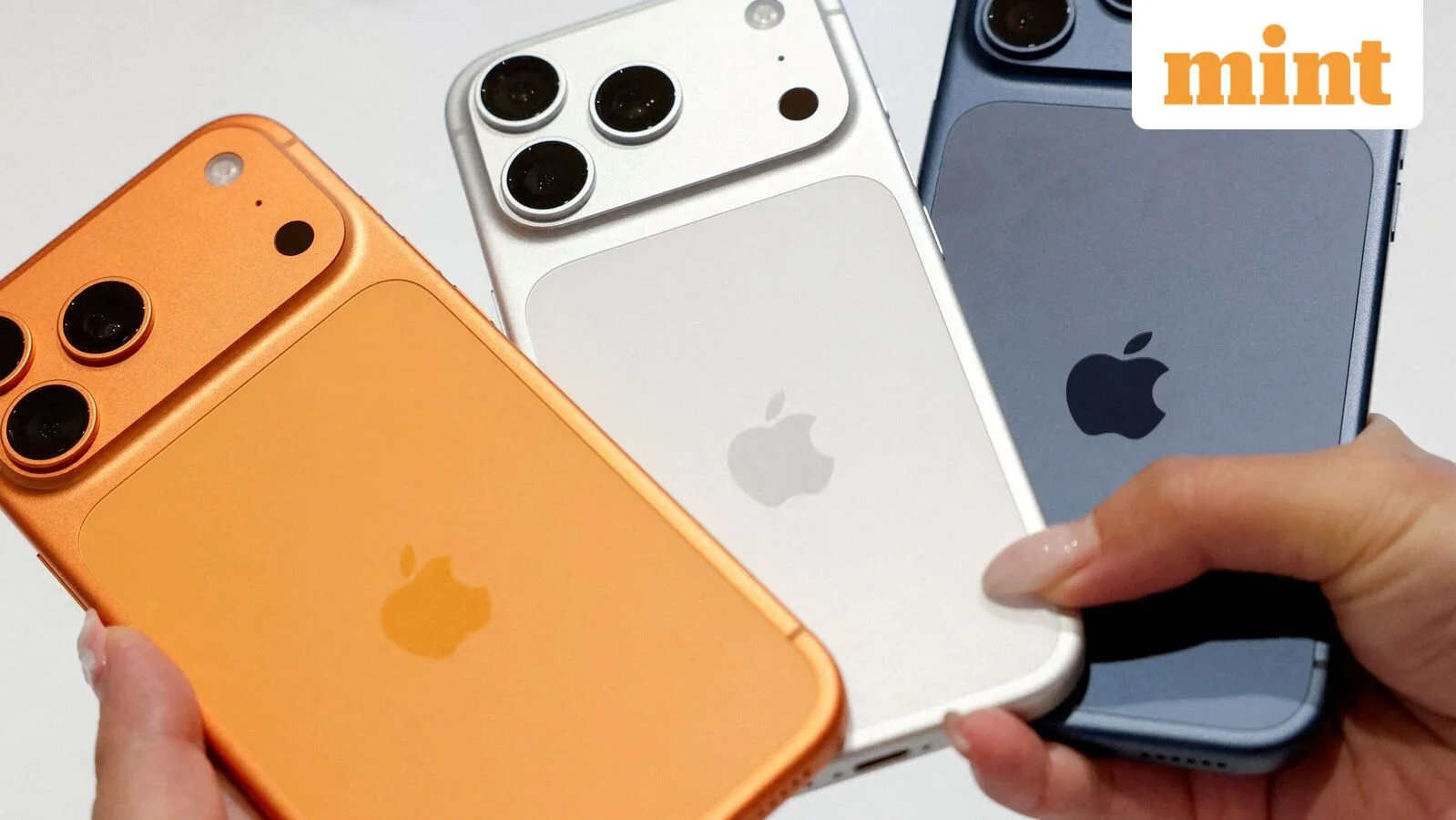
iPhone 17 becomes world’s best-selling phone in Q2 ahead of iPhone 18 arrival; Apple clinches top-3 spots
Apple’s iPhone 17 has become the world’s leading handset in the second quarter of 2026. The standard iPhone 17 had the biggest global share of smartphone units sold at 6% during the quarter, ahead of the iPhone 17 Pro Max and iPhone 17 Pro, according to Counterpoint Research.
The achievement comes shortly before the anticipated iPhone 18 series launches. Apple also topped the overall chart with five models in the top 10 worldwide. Samsung matched Apple with five models, as it heads into both premium and popular mainstream segments with a heavy focus.
iPhone 17 leads as Apple dominates top 10
In Q2 2026, Apple’s iPhone 17 held the top spot on the Counterpoint Research Global Handset Model Sales Tracker. The iPhone 17 Pro Max and iPhone 17 Pro ranked 2nd and 3rd, respectively.
Apple’s performance was particularly strong despite an 11% year-on-year decline in the overall smartphone market. Apple’s unit shipments rose 5% year-over-year, boosted by growth in such markets as India and Japan, Counterpoint said.
It also looks like the iPhone 17 had a smaller price difference between the standard and Pro versions. The base model has been upgraded to make it an attractive choice for those who don’t wish to invest in Pro-level features.
Samsung Galaxy S26 Ultra leads Android phones
The Galaxy S26 Ultra from Samsung led the Android smartphone sales, grabbing the top spot during the quarter. It has risen five positions from its predecessor, and it is responsible for more than half of Galaxy S26 series sales.
Counterpoint Senior Analyst Harshit Rastogi said the phone benefited from its privacy display, improved AI features and stronger promotional activity. This was also the case for the Galaxy S26 series, which saw a delayed launch, thereby pushing more sales into Q2. Galaxy A continued to excel in the mid-range and low-end market segments.
The top 10 phones capture a bigger share
The top 10 smartphones combined accounted for 26% of the world’s smartphones in Q2 2026. This was the biggest payment in the June quarter, according to Counterpoint.
There’s significance to the trend, as smartphone manufacturers are increasingly concentrating on fewer flagship models. The current shortage of RAM and higher component prices are probably driving brands to focus on more popular and profitable products.
What this means for iPhone 18
The iPhone 17’s performance gives Apple a strong starting point before the iPhone 18 generation arrives. More significantly, the regular iPhone 17 performed well, indicating consumers aren’t always seeking the most expensive option for a premium smartphone experience.
Apple is no longer relying only on its Pro offerings to boost sales at the premium end. If the iPhone 18 brings meaningful upgrades to the standard model while keeping the price gap manageable, Apple could extend its lead even further.


